FOR IMMEDIATE RELEASE
June 16, 2026
Memphis, TN — Alaska Native leaders joined Tribal representatives from across Indian Country at the National Congress of American Indians (NCAI) Mid Year Convention in Memphis, Tennessee, to highlight the ongoing salmon crisis in Alaska and call for greater Tribal solidarity in protecting Indigenous food systems, cultural traditions, and stewardship responsibilities.
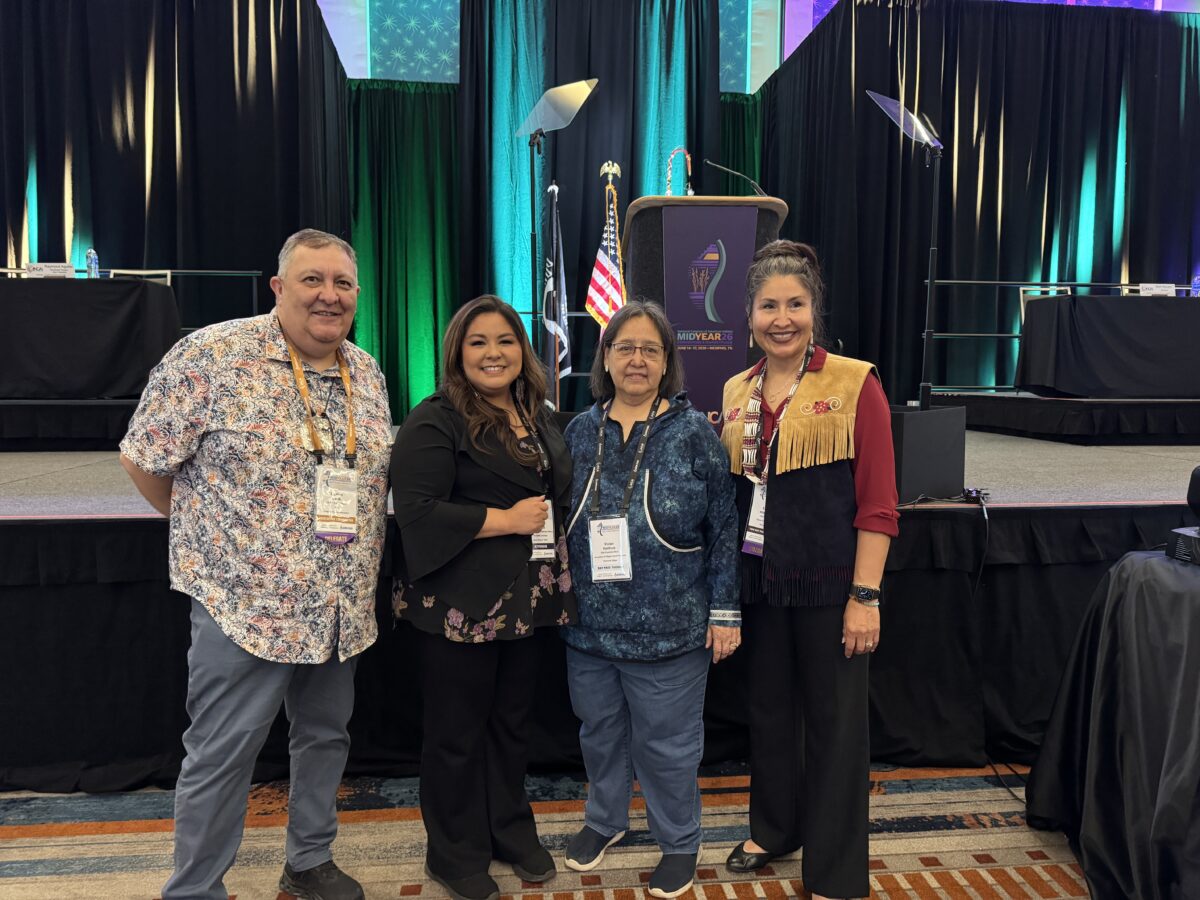
During the panel discussion, One People, One Voice: Standing Up for Alaska’s Salmon & Our Way of Life, representatives of the Alaska Federation of Natives (AFN), Tanana Chiefs Conference (TCC), Craig Tribal Association, the Association of Village Council Presidents (AVCP), and The Tatitlek Corporation, shared the impacts of unprecedented Chinook and chum salmon declines across Alaska’s Arctic, Yukon, and Kuskokwim river systems and discussed the consequences for Alaska Native communities that have depended on salmon for thousands of years.
The discussion focused on the intersection of food security, cultural continuity, Tribal sovereignty, and natural resource management, emphasizing that the challenges facing Alaska’s salmon-dependent communities have implications for Indigenous peoples nationwide.
“Salmon are not simply a resource to our people—they are part of who we are,” said Angela Totemoff, AFN Board Member (Chugach Villages) and Subsistence Chair, and Vice President of Community and Shareholder Relations, The Tatitlek Corporation. “When our communities lose access to salmon, we lose far more than food. We lose opportunities to teach our children, to gather as families, and to pass on the knowledge and values that have sustained our people for generations. The response to this crisis must reflect the importance of salmon to our cultures and our future.”
Panelists described how years of low salmon returns have resulted in severe restrictions and closures of subsistence fisheries, creating significant hardships for rural communities already facing high food costs, climate-related challenges, and population decline.
“Across Alaska, families have made extraordinary sacrifices in the name of conservation,” said Sharon Hildebrand, AFN Board Member (Interior) and Chief of TCC. “Many of our communities have gone years without the opportunity to harvest the salmon that have sustained them for generations. Yet the burden of conservation continues to fall disproportionately on subsistence users. We must ensure that management decisions prioritize the people who depend on these fish for their food security, cultural wellbeing, and way of life.”
Panelists also discussed the fragmented state and federal management systems governing salmon, the need for stronger Tribal engagement in fisheries management, and the importance of recognizing subsistence as a primary management priority.
“Tribal Nations have stewarded these resources since time immemorial,” said Clinton Cook, AFN Subsistence Committee Member and President for Craig Tribal Association. “Our traditional knowledge, our stewardship values, and our lived experiences must be part of the decisions affecting salmon and the communities that rely on them. Protecting salmon is not only about conservation—it is about protecting Tribal sovereignty, food sovereignty, and the ability of future generations to continue living our cultures.”
“Alaska Native people have cared for salmon since time immemorial, guided by values of stewardship, reciprocity, and responsibility to future generations,” said Vivian Korthuis, AFN Board Member (Yukon Kuskokwim) and President and CEO of AVCP. “The current crisis demonstrates the need for management systems that recognize Tribal knowledge, respect Tribal leadership, and prioritize the long-term health of our salmon and communities. We cannot continue asking our people to shoulder the burden of conservation while decisions are made without meaningful Tribal partnership. The path forward must include stronger Tribal co-management and a commitment to protecting the resources that sustain our cultures and way of life.”
The panel concluded with a call for greater collaboration among Tribal Nations, stronger support for Tribal co-management, reforms to federal fisheries policy, and management approaches that prioritize long-term sustainability and ecosystem health.
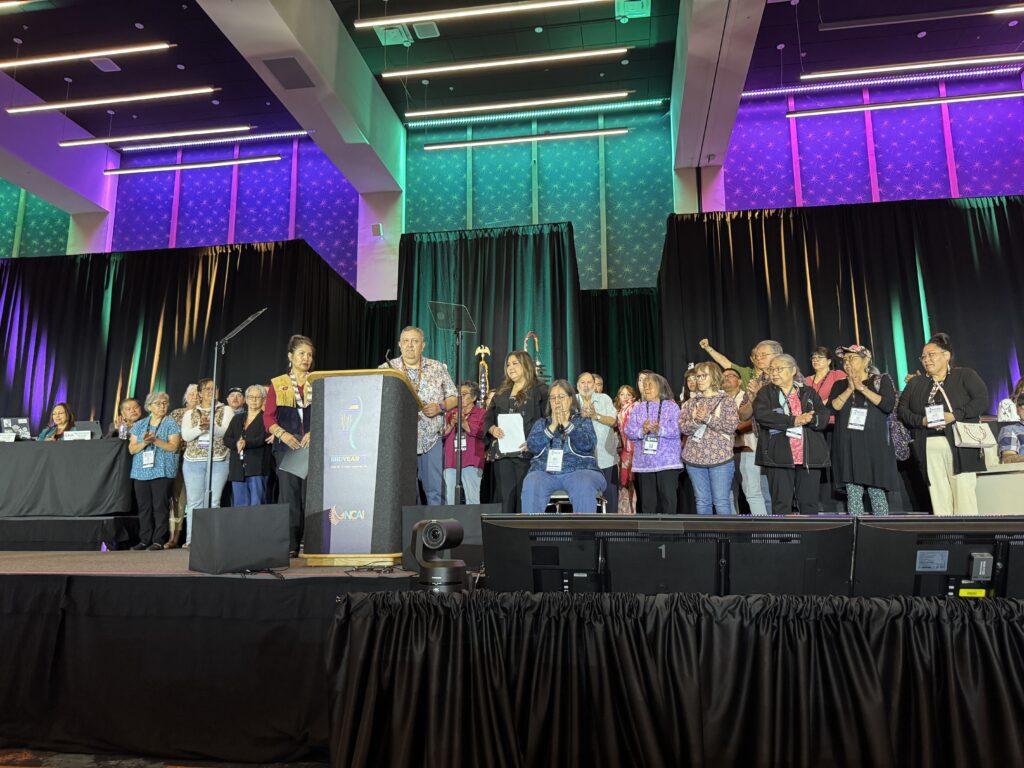
In a powerful demonstration of solidarity, Alaska Native leaders and representatives in attendance were asked to stand in support of the panel’s call to action. Members of the Alaska Caucus rose together, affirming their shared commitment to protecting salmon, defending subsistence ways of life, and advancing Tribal stewardship and self-determination. The moment underscored the unity of Alaska Native peoples in addressing the salmon crisis and advocating for meaningful changes to fisheries management and Tribal involvement in decision-making.
AFN leaders encouraged Tribal Nations across the country to view the Alaska salmon crisis as part of a broader Indigenous struggle to protect traditional foods, cultural practices, and Tribal self-determination.
“What is happening in Alaska is a reminder that when Indigenous voices are not fully included in resource management decisions, communities bear the consequences,” Totemoff said. “The support and solidarity shown by Tribal leaders from across Indian Country reinforces that protecting our traditional foods and ways of life is a shared responsibility.”
###